















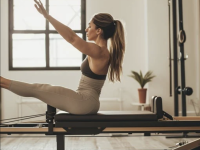

A newer form is making waves: aerial yoga.
If you’re trying to decide between sticking with traditional mat-based yoga or giving aerial yoga a try, this guide will help you choose what’s right for your lifestyle, body, and fitness goals.
What’s the Difference?
| Feature | Traditional Yoga | Aerial Yoga |
|---|---|---|
| Surface | Yoga mat on the floor | Suspended hammock/fabric |
| Focus | Grounded strength, balance, breath | Decompression, support, mobility |
| Intensity | Can range from gentle to intense | Often gentler, but strengthens core |
| Equipment | Mat, blocks, straps | Hammock + mat underneath |
| Best For | Mind-body connection, traditional flows | Spine health, flexibility, playful fitness |
Why Malaysians Love Traditional Yoga
Traditional yoga — whether it’s Hatha, Vinyasa, or Yin — is well-established across Malaysia. It’s beginner-friendly, often available in local community centers and gyms, and doesn’t require special equipment.
Pros:
-
Easy to start with just a mat
-
Classes available in Bahasa Malaysia, English, and Mandarin
-
Culturally familiar in Malaysia through wellness retreats and fitness clubs
-
Great for breathwork, mindfulness, and full-body toning
Things to Consider:
-
Can be tough on wrists/knees without proper alignment
-
Progress may feel slow for some beginners
-
Less spinal decompression
Why Aerial Yoga Is Gaining Popularity in Malaysia
Aerial yoga adds an element of fun and anti-gravity movement. Studios in KL, PJ, Johor, and Penang are offering more aerial classes as demand rises. It’s especially popular among young adults, creative fitness lovers, and those recovering from desk-related pain.
Pros:
-
Helps with posture and spinal decompression
-
Hammock supports body weight — great for joint relief
-
Builds core and upper body strength without hard impact
-
Instagram-worthy (let’s be honest — the poses look amazing!)
Cons:
-
Limited studios offer aerial yoga, especially in smaller towns
-
Not suitable if you’re afraid of heights or prone to motion sickness
-
Slightly higher cost due to equipment and setup
-
Requires grip strength — can be tough for complete beginners
Which One’s Right for You?
Here’s a simple guide based on lifestyle and goals:
| Your Goal | Go for Traditional Yoga if… | Try Aerial Yoga if… |
|---|---|---|
| Back pain/posture | You want gradual mat-based improvement | You want faster spine relief with inversions |
| Stress relief | You love calm, meditative flows | You enjoy light, playful movement |
| Fitness level | You’re building a long-term yoga habit | You want to mix yoga with strength and mobility |
| Access & convenience | You prefer gym/studio access anywhere | You’re in KL/PJ/major city with aerial classes |
| Budget | You want affordable group sessions | You’re okay with slightly pricier boutique sessions |
Where to Try Both in Malaysia
Studios offering both:
-
YogaOneThatIWant (Klang Valley) – Offers traditional + aerial
-
Aravind Yoga (KL) – Affordable group sessions for both styles
-
The Flow Studio (JB) – Trendy space with both formats
-
Oasis Yoga (Penang) – Scenic vibes, aerial hammocks included




0 Comments